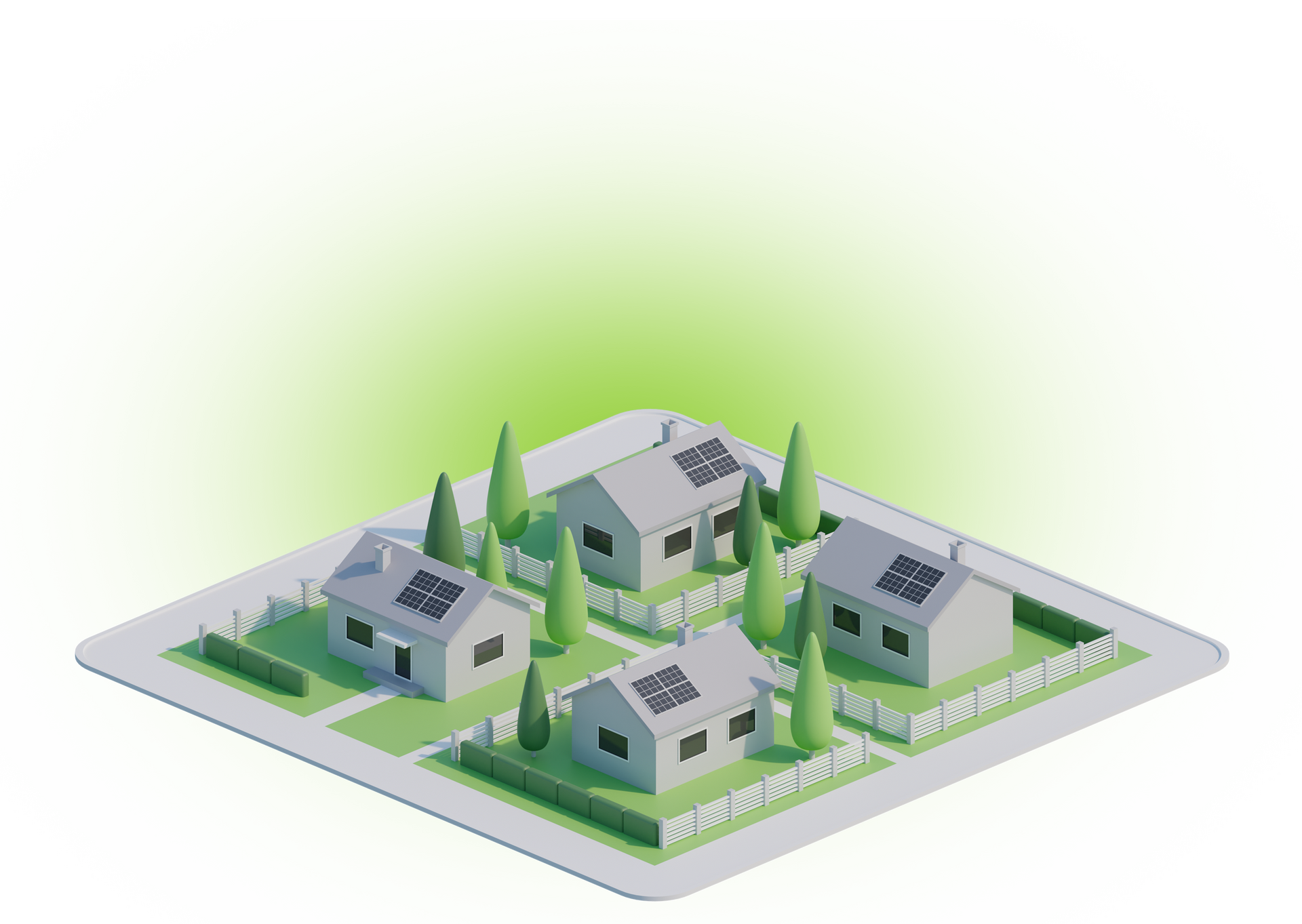
A hybrid photovoltaic system is a combination of a traditional on-grid system (connected to the public grid) and an off-grid system (independent of the grid), supplemented by a battery energy storage system.
In normal operation, the system works in on-grid mode, with excess energy stored in batteries. In the event of a grid outage, the system automatically switches to off-grid mode and uses the stored energy to power the backed-up circuits.
Hybrid inverters: Ensure energy conversion from photovoltaic panels and manage energy flow between panels, batteries and the electrical grid. They should comply with STN standards and be approved for connection to the Slovak distribution system.
Battery storage: Enable storage of excess energy for later use. It is important that they have integrated battery management (BMS), thermal management and safety protections.
Backed-up circuits: Galvanic isolation between grid and backed-up circuits in the distribution board must be ensured.
Energy independence: Ability to use your own generated energy even during grid outages.
Consumption optimisation: Efficient use of generated energy and reduction of electricity costs.
Flexibility: Ability to adapt the system according to individual needs and consumption.
Ecological benefit: Reduction of CO₂ emissions and support for renewable energy sources.
Hybrid systems are suitable for both households and businesses. For example, our IQ Smart Home assembly includes photovoltaic panels with an output of 5 to 30 kWp, a hybrid inverter with EPS output and an EV-GP LPF HV battery storage with a capacity of 23 or 31 kWh.
The system also enables bidirectional use of energy with an electric vehicle, increasing its flexibility and efficiency.
Running appliances and TVs – Power your electrical appliances and home devices from the green energy you generate yourself.
Heating and hot water – The hybrid system will help you efficiently use electrical energy for heat pump or electric boiler operation, significantly reducing your heating costs.
Charging electric vehicles and plug-in hybrids – Efficient use of surplus generated energy for home charging of electric vehicles or plug-in hybrids, minimising fuel costs and maximising savings.